Provide Sustainable Electric Bikes For Everyone
Malesuada fames ac turpis egestas. Interdum velit laoreet id donec. Eu tincidunt tortor aliquam nulla facilisi cras.

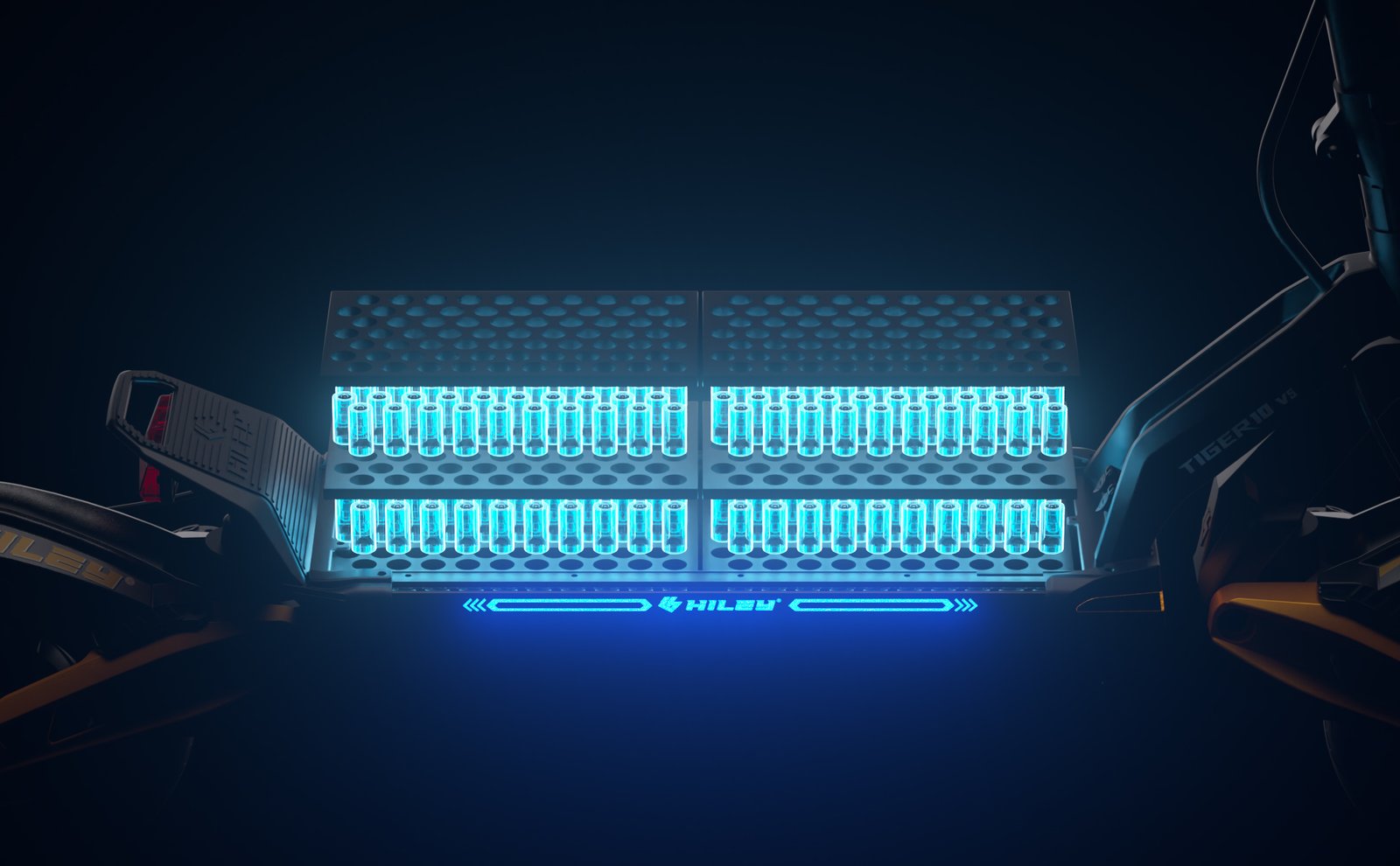
When choosing an electric scooter charger, many riders focus only on voltage — but amperage (A) is just as important. If you own a high-performance electric scooter like the Hiley Tiger KING RS, you may notice that it comes with an 84V 3A charger, while 2A and 5A chargers are also commonly available.
So what’s the real difference between these chargers?
Does a higher amp charger damage your battery?
Which one is best for daily commuting, long-range riding, or overnight charging?
Let’s break it down in clear, simple terms — without technical confusion.
In simple language:
👉 Higher amps = faster charging
👉 Lower amps = slower, gentler charging
All Hiley chargers are designed to be compatible with Hiley battery systems — the difference is mainly about speed, heat, cost, and usage habits.
Charging speed is the most noticeable difference between chargers.
For a 72V 35Ah battery (like the one used in the Hiley Tiger KING RS), here’s a realistic estimate from near-empty to full:
| Charger Type | Approx. Charging Time |
|---|---|
| 2A charger | ~18 hours |
| 3A charger | ~12 hours |
| 5A charger | ~7 hours |
For delivery riders, long-distance commuters, or weekend explorers, faster charging can completely change how often and how far you ride.
Higher amperage chargers use more advanced components and heat management, which increases cost.
Typical price range comparison:
If you’re budget-focused and charge only at home, a 2A charger is perfectly usable.
If you want flexibility without a big price jump, 3A is the most balanced option.
This is a common concern — and an important one.
However, there’s an important detail many riders overlook:
👉 Large-capacity batteries handle higher amps better.
The Hiley Tiger KING RS uses a 72V 35Ah Samsung battery, which is designed to safely accept higher charging currents. For this battery size:
Occasional fast charging will not significantly shorten battery life, especially if you avoid charging immediately after aggressive riding and store the scooter properly.
Safety is not about amps alone — it’s about charger quality.
Low-amp chargers naturally produce less heat and are very safe.
High-amp chargers must have proper cooling and protection.
⚠️ Avoid cheap, uncertified chargers, especially high-amp ones. Poor-quality chargers can overheat, damage the battery, or fail prematurely.
Hiley-approved chargers are designed specifically for Hiley battery systems and tested for long-term use.
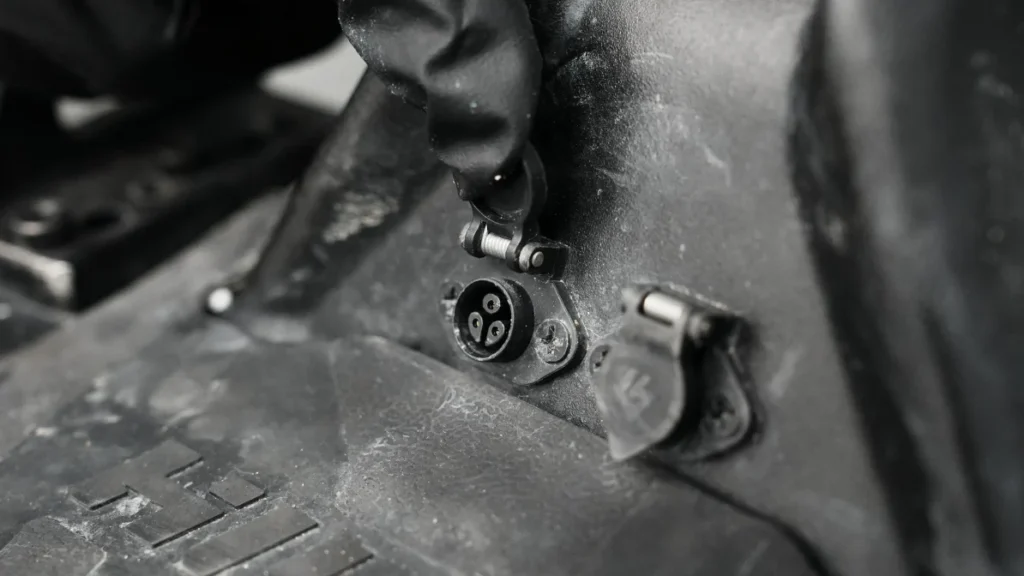
One feature that sets all Hiley electric scooters apart is dual charging ports.
You can plug in two chargers at the same time.
Examples:
This setup:
For long-range riders, this is a game-changing feature.
Here’s a simple recommendation based on riding style:
Many experienced riders start with the standard 3A charger, then add a second charger later to use dual charging when needed.
Faster charging is convenient, but the best choice depends on how you ride, how often you charge, and how much flexibility you want.
No matter which charger you choose:
If you’re unsure, start with the charger included with your scooter — and upgrade later as your riding habits evolve.